NBA Quarter Betting Odds: Period Spreads and Profit Margins
 Available in US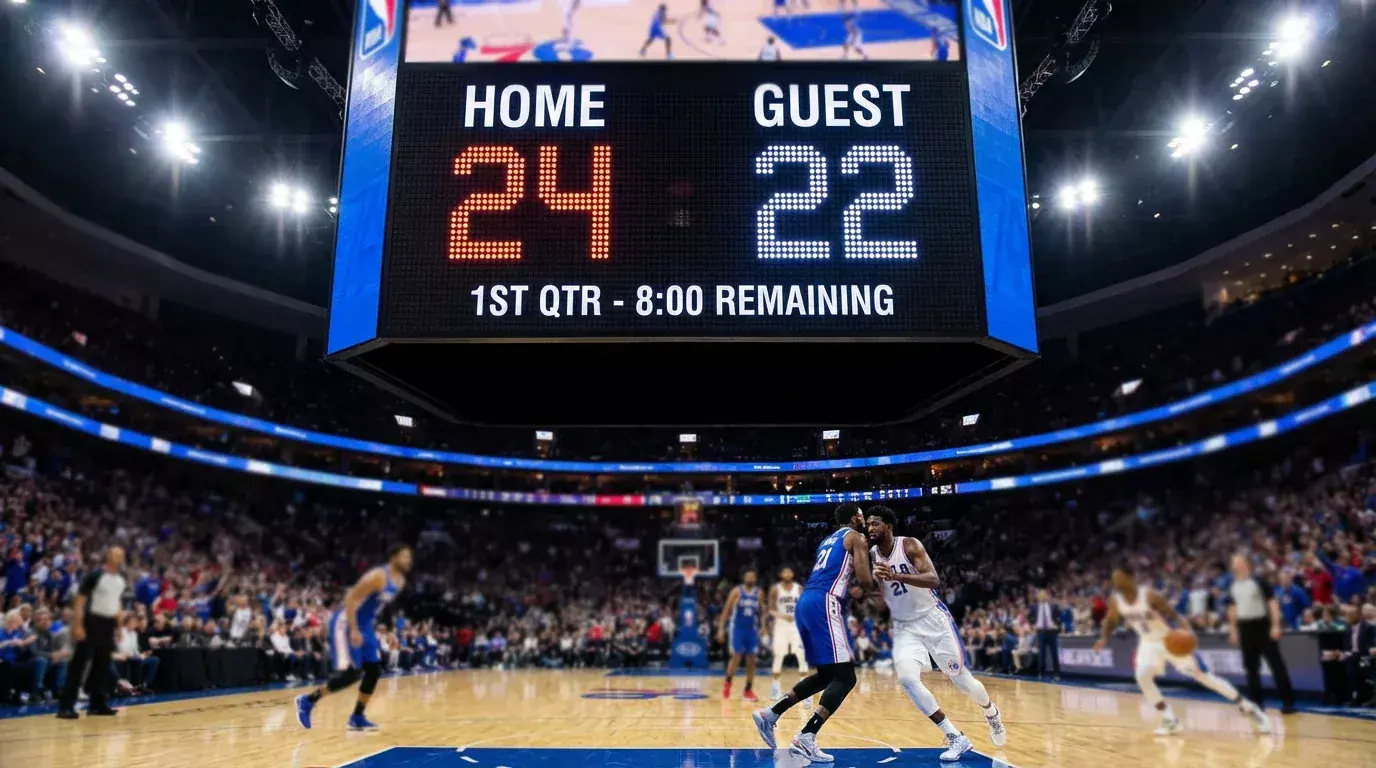
The Mavericks trailed by twelve after three quarters, then exploded for 41 points in the fourth to win outright. My full-game spread bet was toast, but my fourth-quarter over had sailed through with room to spare. That night taught me something valuable: NBA games are not monolithic events. They are four distinct twelve-minute contests, each with its own dynamics, tendencies, and betting opportunities.
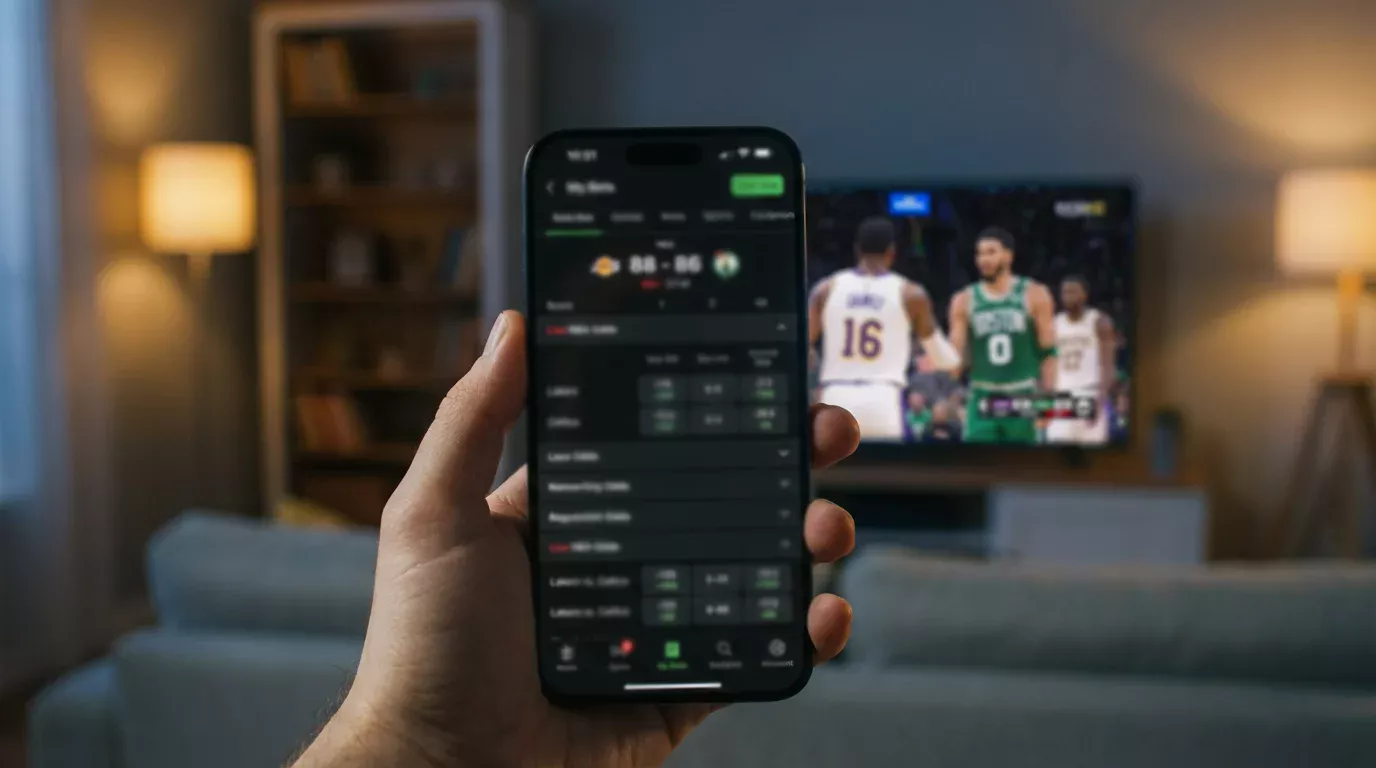
Quarter betting has grown alongside the explosion in live wagering options. UK sportsbooks now offer spreads, totals, and moneylines for each quarter of NBA games, creating four times the betting opportunities per matchup. For bettors who understand how teams perform in specific game segments, this granularity opens edges that full-game markets cannot provide.
This guide explores NBA quarter betting strategy for UK punters. I will cover how scoring patterns vary by quarter, which team tendencies create value, and how to approach quarter markets differently from full-game betting. If you are still building your foundation with totals betting concepts, start there before diving into quarter-specific analysis.
NBA Quarter Scoring Patterns and Roster Rotations
First quarters typically produce the lowest scoring of any period. Teams are feeling each other out, defensive intensity peaks before fatigue sets in, and rotation players have not yet entered to dilute either team’s defensive focus. The first quarter also features the most variance because small sample sizes within twelve minutes amplify random fluctuations.
Second quarters often see increased scoring as benches enter and defensive coordination suffers. Coaches experiment with lineups, hunting for combinations that work. The minutes before halftime sometimes become high-scoring as teams push pace to enter the break with momentum. Second-quarter totals frequently exceed first-quarter outputs for these structural reasons.
Third quarters historically favour home teams and better-coached squads. Halftime adjustments matter enormously – coaches who identify weaknesses and communicate corrections effectively gain immediate advantages. Teams with strong preparation routines come out sharp while others need minutes to re-establish rhythm. Backing well-coached teams in third quarters has shown historical profitability.
Fourth quarters produce the most variable outcomes. Blowouts see starters benched and garbage time lineups playing meaningless minutes, collapsing totals. Close games see starters playing extended minutes with heightened intensity, often pushing scoring as teams trade baskets. Predicting fourth-quarter outcomes requires assessing likely game state entering the period – something difficult to know pre-game.
Teams show consistent quarter-by-quarter tendencies across seasons. Some organisations start slowly but finish strong. Others jump out early then coast. These patterns reflect coaching philosophy, roster construction, and conditioning programmes. Identifying teams that systematically over or underperform in specific quarters creates persistent edges that full-game betting misses.
Finding Value in Quarter Markets
Quarter lines receive less sharp action than full-game markets. The betting volume concentrates on main lines, leaving quarter markets relatively inefficient. Sportsbooks set quarter lines using algorithms that may not capture team-specific tendencies as accurately as their full-game pricing. This inefficiency creates opportunity for specialists.
First-quarter specialists focus on opening minutes when starting lineups are predictable and preparation advantages are freshest. How teams begin games often reflects coaching emphasis and pregame preparation. Teams facing back-to-backs or travel disadvantages sometimes start slowly before finding rhythm – a pattern visible in first-quarter results more than full-game outcomes.
Third-quarter specialists exploit halftime adjustments. Teams with elite coaching staffs – historically those led by coaches like Spoelstra, Popovich, or Kerr – consistently outperform in the third quarter as their adjustments take effect. The market does not fully price coaching quality into quarter lines because the effect is diffuse across full games but concentrated in the third quarter specifically.
Quarter totals can diverge from full-game totals in useful ways. A game with a full-game total of 220 does not necessarily produce four quarters of 55 each. Some matchups front-load scoring in the first half before defences tighten. Others build toward high-scoring fourth quarters as pace increases. Understanding the likely scoring distribution helps identify quarter totals that are set incorrectly relative to the full-game number.
Live quarter betting offers the most opportunities because you can observe game flow before committing. If the first quarter was low-scoring due to both teams missing open shots rather than great defence, the second quarter might see regression toward normal efficiency. If one team’s bench is outplaying expectations, the second quarter might maintain that edge. Real-time observation informs quarter-by-quarter decisions.
Quarter Betting Strategies
Specialise in one quarter rather than spreading attention across all four. Deep knowledge of third-quarter dynamics, for instance, creates more edge than surface-level analysis of every quarter. The time required to track team tendencies, coaching patterns, and historical results is substantial – focusing that effort produces better returns than diluting it.
Track quarter-specific ATS records for teams you bet frequently. A team might be 45-37 ATS for full games but 52-30 ATS in first quarters specifically. These discrepancies reveal where the market is undervaluing or overvaluing team performance. Historical quarter data is available through basketball statistics sites – build your own database of teams with quarter-specific edges.
Consider quarter betting as hedging or supplementing full-game positions. If you bet a team to cover the full-game spread but they fall behind early, you might bet against them in the third quarter to recover some losses if they continue struggling. Quarter bets can function as insurance policies on full-game positions.
Avoid fourth-quarter betting pre-game. The variance is too high because game state entering the fourth is unknowable. Fourth-quarter live betting is different – once you see the score after three quarters, you can assess likely fourth-quarter dynamics. But pre-game fourth-quarter bets are essentially gambling on whether the game will be close or not.
Manage bankroll carefully because quarter betting encourages volume. With four potential bets per game instead of one, the temptation to over-bet increases. Maintain the same per-bet sizing you would use for full-game wagers rather than dividing your typical stake across multiple quarter bets. Discipline prevents quarter betting from becoming a bankroll leak.
Record your quarter betting results with sufficient detail to identify patterns. Track not just wins and losses but which quarters, which bet types, and which team profiles perform best for you. Over time, this data reveals whether quarter betting adds to your overall profitability or simply creates more action without edge. Be prepared to abandon quarter betting entirely if the data shows it detracts from your results.
Consider the juice carefully when quarter betting. Sportsbooks often charge higher margins on quarter markets than main lines. The reduced market efficiency that creates opportunity also allows for inflated vig. Calculate whether your expected edge exceeds the additional juice before committing to quarter betting as a strategy.
Which NBA quarter has the most scoring?
Fourth quarters typically have the highest scoring in close games due to increased pace and intentional fouling. However, in blowouts, fourth quarters have the lowest scoring as starters rest. Second quarters often produce consistent scoring as bench units enter and defences tire.
Are quarter bets harder to win than full game?
Quarter bets have higher variance due to smaller sample sizes within twelve minutes. A single hot or cold shooting stretch affects quarter results more than full-game outcomes. However, less sharp money on quarter markets creates potential inefficiencies that full-game markets lack.
How do I bet on NBA quarters?
UK sportsbooks offer quarter spreads, totals, and moneylines for most NBA games. These markets appear alongside full-game options. Look for quarter-specific tabs or sections in your sportsbook’s NBA coverage. Lines release closer to tip-off than full-game markets typically.
Created by the ”how to bet Basketball” editorial team.