NBA Alternate Spreads: Buying Points and Adjusting Handicap Lines
 Available in US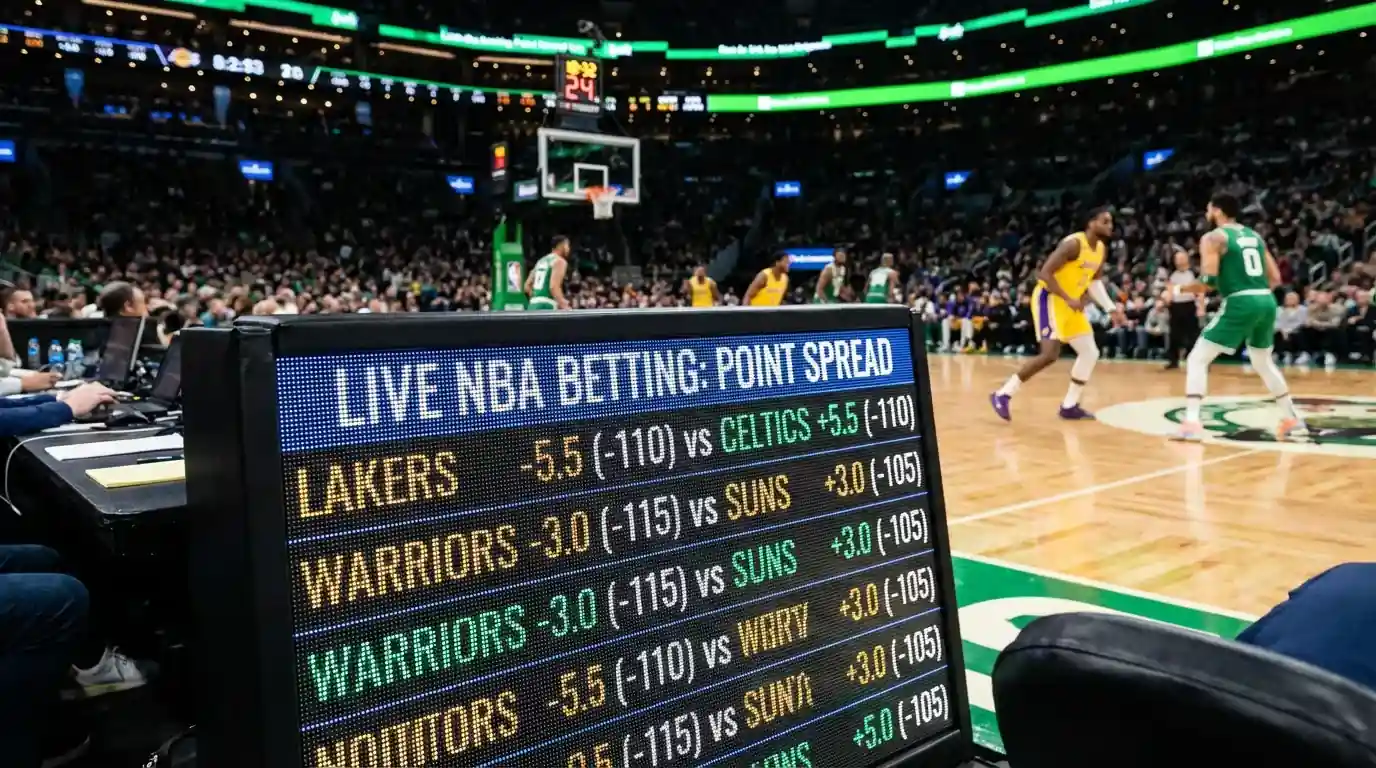
The Suns were -6.5 at standard odds. I thought they would win but probably by single digits – covering 6.5 felt like a coin flip. The alternate line of -3.5 at reduced odds gave me breathing room. They won by five. Standard spread lost, alternate spread won. Same analysis, same conviction, different outcome based solely on which line I chose to bet.
Alternate spreads let you buy or sell points from the standard line at adjusted odds. Want more cushion on your favourite? Buy points to shrink their spread but accept lower payouts. Confident in a blowout? Sell points to increase the spread and boost your potential return. This flexibility transforms spread betting from a binary choice into a spectrum of risk-reward options.
This guide covers alternate spread strategy for UK bettors. I will explain when buying points makes mathematical sense, when selling points offers value, and how to think about the trade-off between odds and probability. If you are building your understanding of standard spread betting first, that foundation will make alternate spreads easier to grasp.
NBA Alternate Lines and Point Spread Adjustments
Sportsbooks typically offer alternate spreads in half-point increments ranging from several points below to several points above the standard line. If the standard spread is -5.5, alternates might range from -1.5 to -10.5 or wider. Each alternative carries different odds reflecting the changed probability of that spread covering.
Buying points means taking a smaller spread on the favourite or a larger spread on the underdog. The Celtics at -7.5 becomes -5.5 when you buy two points. This increases your chances of winning but decreases your payout. The odds might shift from 1.91 to 1.55 as you buy those two points, reflecting the improved probability.
Selling points works in reverse. Taking -7.5 when the standard is -5.5 increases your risk but improves your potential return. The odds might move from 1.91 to 2.50, offering more profit if the favourite covers the larger spread. Selling points suits bettors who expect decisive victories rather than narrow wins.
The price of each point varies based on where the line sits relative to key numbers. Buying from -7.5 to -6.5 (crossing the key number seven) costs more than buying from -8.5 to -7.5. Selling across key numbers similarly offers disproportionate value because those points are more likely to determine outcomes.
Not all points are created equal in NBA betting. Games cluster around certain final margins due to the scoring structure of the sport. Understanding which margins occur most frequently helps you evaluate whether the price for moving across those numbers is fair.
When to Buy Points
Buy points to cross key numbers that significantly affect outcome probability. In NBA, the most valuable key numbers are 3, 5, 6, 7, and 10 – margins where games land disproportionately often. Buying from -7.5 to -6.5 captures games that land on exactly seven, a common final margin. The cost of that point is typically justified by the probability gain.
Buy points when you have conviction a team will win but uncertainty about margin. If your analysis suggests a team is clearly better but the margin could range from three to ten points, buying down from a large spread protects against variance while maintaining exposure to your conviction. You are trading potential profit for increased probability.
Buy points in playoff games where margins compress. Postseason basketball sees closer games on average because weaker teams have been eliminated and remaining matchups feature quality opponents. Spreads that would cover comfortably in the regular season become dicier in playoffs. Buying a point or two provides insurance against the tighter margins characteristic of postseason basketball.
Avoid buying points that do not cross key numbers unless the price is exceptionally cheap. Moving from -8.5 to -7.5 captures nothing meaningful since games rarely land on exactly eight. That point costs money without providing proportional value. Concentrate buying on points that actually matter for outcome probability.
Consider buying points on heavy favourites where the risk of a close victory is substantial. A team favoured by 10 might win by 8-12 points – all within a reasonable range but some covering -10.5 and others missing. Buying to -8.5 or -7.5 captures more of those reasonable outcomes at the cost of reduced odds.
When to Sell Points
Sell points when you expect a blowout that the standard spread underestimates. If a team is -6.5 but your analysis suggests they will win by 15, selling to -10.5 at improved odds captures additional value from your conviction. The risk is that blowouts do not materialise as expected – variance works both directions.
Sell points against teams that quit when behind. Some organisations lack the competitive character to fight when games slip away. Against these teams, leads expand rather than shrink in the second half. Selling points on opponents facing these weak-willed teams profits from the tendency toward blowout losses.
Sell points in mismatches where talent disparities are severe. When a title contender faces a tanking team, the margin could reach 20 or more. Standard spreads often cap around 12-15 because larger spreads generate imbalanced action. If you believe the mismatch warrants a larger spread than the market offers, selling points at improved odds expresses that view.
Avoid selling points in games likely to be close. If two evenly matched teams face each other with a standard spread of 2.5, selling to -5.5 bets on a comfortable victory that competitive games rarely produce. The improved odds do not compensate for the reduced probability in genuinely competitive matchups.
Be disciplined about not overselling. Moving from -6.5 to -8.5 is reasonable if you expect a blowout. Moving to -14.5 requires an enormous margin that even massive favourites rarely achieve consistently. The odds improvement for extreme alternates often does not justify the probability collapse.
Track your alternate line results separately from standard spread results. Calculate ROI specifically for bets where you bought or sold points versus bets at standard lines. This data reveals whether your alternate line instincts add value or destroy it. Some bettors have edge at standard lines but make poor alternate line decisions, eroding their overall profitability.
Consider alternate lines in same-game parlays with caution. While buying points reduces risk on correlated legs, it also reduces odds, compounding across multiple legs. The mathematics of parlays mean alternate line adjustments affect final payouts significantly. Calculate whether the risk reduction justifies the diminished potential return before adding bought points to parlays.
Use alternate lines to express differentiated views rather than just seeking better odds. Buying two points because you want “more cushion” without analytical justification wastes money. Buying two points because your projection specifically shows the favourite winning by exactly six points in a high-variance matchup reflects genuine insight about likely outcomes.
What are alternate spreads in NBA betting?
Alternate spreads let you adjust the standard point spread in exchange for different odds. Buying points shrinks the spread at worse odds. Selling points increases the spread at better odds. This creates a range of risk-reward options beyond the single standard line.
Is buying points worth it in basketball?
Buying points is worth it when crossing key numbers like 3, 5, 6, 7, or 10 where games frequently land. The probability gain justifies the cost. Buying points that do not cross key numbers typically wastes money without meaningful probability improvement.
How many points should I buy or sell?
Most value exists in buying or selling one to three points to cross key numbers. Extreme alternates far from the standard line often carry poor odds relative to probability. Focus on small adjustments around meaningful margins rather than dramatic line changes.
Prepared by the how to bet Basketball editorial staff.