NBA Halftime Betting Odds: Second-Half Market Lines
 Available in US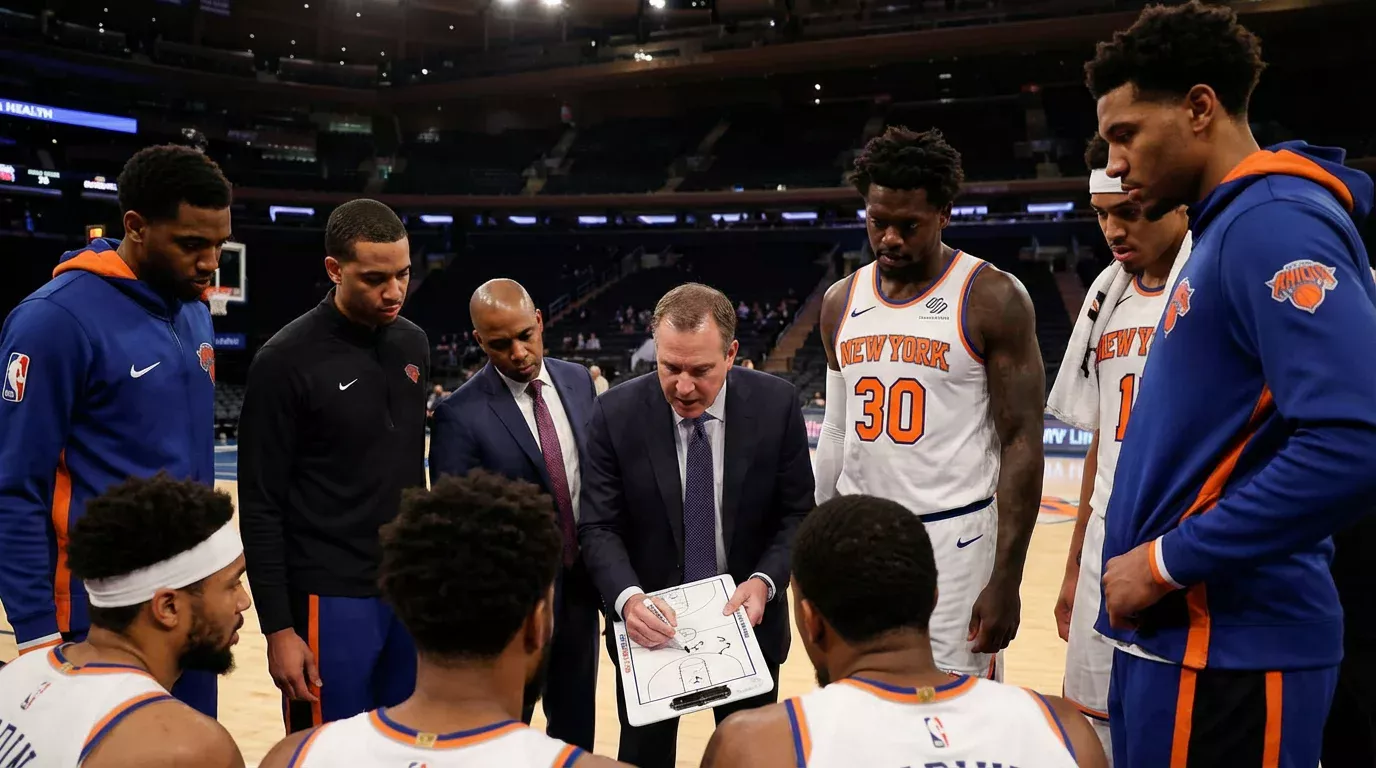
Halftime. The Bucks led the Heat by 14 and I watched as the second-half spread dropped Miami to +5.5. Something felt wrong – Miami had shot 25% from three in the first half against their season average of 38%. Regression seemed likely. I took Miami +5.5 for the second half. They won the second half outright by six as their shots started falling. First-half data, second-half profit.
Halftime betting offers a unique window where you have actual game data rather than projections. You have seen how teams match up, which players are hot or cold, whether the pace suits one team better, and crucially, whether first-half results reflect sustainable performance or variance begging for regression. This information advantage over pre-game betting creates opportunities that sharp bettors have learned to exploit.
This guide covers NBA halftime betting strategy specifically. I will explain how to analyse first-half data quickly, identify regression opportunities, and understand when halftime lines are mispriced. If you are developing your live betting approach more broadly, halftime represents the most structured live betting moment in basketball.
Analyzing First-Half Data for Second-Half Bets
Shooting percentages reveal the first question: are first-half results sustainable? A team shooting 60% from three in the first half will almost certainly shoot worse in the second – regression to their season mean is mathematical near-certainty. Conversely, a team shooting 20% from three has left points on the floor that second-half shooting will likely recover. Check first-half percentages against season averages for both teams.
Turnover rates indicate whether first-half ball security will persist. If a team committed eight turnovers in the first half against their average of six per half, some of that carelessness might correct itself. If they committed two turnovers when they typically average six, they may be due for some sloppiness. Turnovers are partially random and tend toward season averages.
Free throw attempts signal whether one team is attacking aggressively or benefiting from fortunate officiating. A team that shot 15 first-half free throws might see that drop in the second half as referees balance their calls. Foul trouble on key players also affects second-half dynamics – a team with starters in foul trouble must manage minutes carefully.
Rebounding margins sometimes persist and sometimes regress. If one team dominated the offensive glass due to size advantages, that pattern likely continues. If they dominated due to fortunate bounces while the opponent boxed out properly, regression is more likely. Distinguish between structural rebounding advantages and lucky bounces.
Pace of play established in the first half typically continues through the second. If the game played faster or slower than either team’s season average, that pace resulted from the specific matchup and will likely persist. Use observed pace rather than team averages for second-half projections.
Identifying Second-Half Value
Teams trailing at halftime often see their second-half spreads set too favourably by casual bettors who assume comebacks are common. In reality, teams that lead at halftime win outright roughly 80% of the time. The second-half spread on the leader often offers value because the public overestimates comeback probability.
Coaching adjustments create second-half edges. Teams with elite coaching staffs historically outperform in third quarters as halftime adjustments take effect. If you watched the first half and identified a tactical adjustment the trailing team could make, assess whether their coaching staff is capable of implementing it. Execution of halftime adjustments separates good teams from great ones.
Fatigue considerations favour the deeper team in second halves. A team that played their starters heavy first-half minutes might see drop-off as tired legs affect shooting and defence. A team that distributed minutes evenly arrives at the second half fresher. Check first-half rotation patterns to anticipate second-half energy levels.
Blowout risk affects second-half totals significantly. When one team leads by 15 or more at halftime, the game often becomes conservative – the leading team slows pace while the trailing team may partially concede. Second-half unders in blowout situations exploit this dynamic as competitive intensity disappears.
Home teams trailing at halftime sometimes generate energy boosts from crowds that create third-quarter runs. The home crowd never leaves at halftime regardless of score, and their team often comes out with renewed effort. Road teams with halftime leads sometimes relax slightly, allowing that home push. This tendency is not universal but worth considering for team-specific analysis.
Halftime Betting Execution
Time pressure defines halftime betting. You have roughly fifteen minutes to analyse first-half data, assess the halftime line, and place your bet before second-half action begins. Develop a routine that efficiently extracts the key information rather than trying to analyse everything. Focus on shooting percentages, turnover rates, and any obvious regression candidates.
Pre-game research facilitates halftime decisions. If you have already analysed both teams before tip-off, you know their tendencies and can quickly compare first-half performance against expectations. Walking into halftime cold requires more analysis time than the window permits. Do your homework before games start.
Avoid betting every halftime. Not every game presents value at the break. Sometimes the first half played out exactly as expected and the halftime line reflects that accurately. The discipline to pass on games without clear edges prevents forcing bets just because the window exists.
Consider halftime betting as insurance or hedging on pre-game positions. If your pre-game bet is struggling, a second-half bet in the opposite direction can limit losses. If your pre-game bet is succeeding, you might reinforce with a second-half continuation bet. Halftime provides a decision point for managing existing positions.
Track your halftime betting results separately from pre-game results. The skills and information differ enough that performance may vary between the two. Some bettors excel at pre-game analysis but struggle with the quick halftime decisions. Others thrive on the in-game information that halftime provides. Understanding your strengths helps allocate focus appropriately.
Develop a checklist for halftime analysis to ensure consistency under time pressure. Your checklist might include: check three-point shooting versus season average, check turnover rate versus baseline, check free throw attempts for officiating patterns, check rebounding margins, assess if results reflect sustainable patterns or variance. Working through a consistent process prevents overlooking key factors in the rushed halftime window.
Consider UK viewing times when planning halftime betting. Many NBA games tip off around midnight UK time, meaning halftime arrives between 12:45 and 1:00 AM. The mental acuity required for rapid halftime analysis suffers with fatigue. If you cannot stay sharp through halftime, either plan to watch games that tip off earlier or accept that your halftime edge may be diminished by tiredness.
How does NBA halftime betting work?
Halftime betting offers spreads, totals, and moneylines for the second half only, based on how the first half played out. Lines release during the halftime break and bets must be placed before the third quarter begins. Results depend only on second-half scoring.
Are halftime bets profitable?
Halftime bets can be profitable for bettors who effectively analyse first-half data and identify regression opportunities. The information advantage of having watched the first half creates potential edges. However, time pressure and competition from sharp live bettors make consistent profits challenging.
Should I bet the team trailing at halftime?
Not automatically. Teams leading at halftime win outright roughly 80% of the time. The trailing team’s second-half spread is often set favourably because casual bettors overestimate comeback probability. Analyse first-half data rather than simply backing comebacks.
Published by the how to bet Basketball team.