NBA Cup Betting Odds: In-Season Tournament Group Markets
 Available in US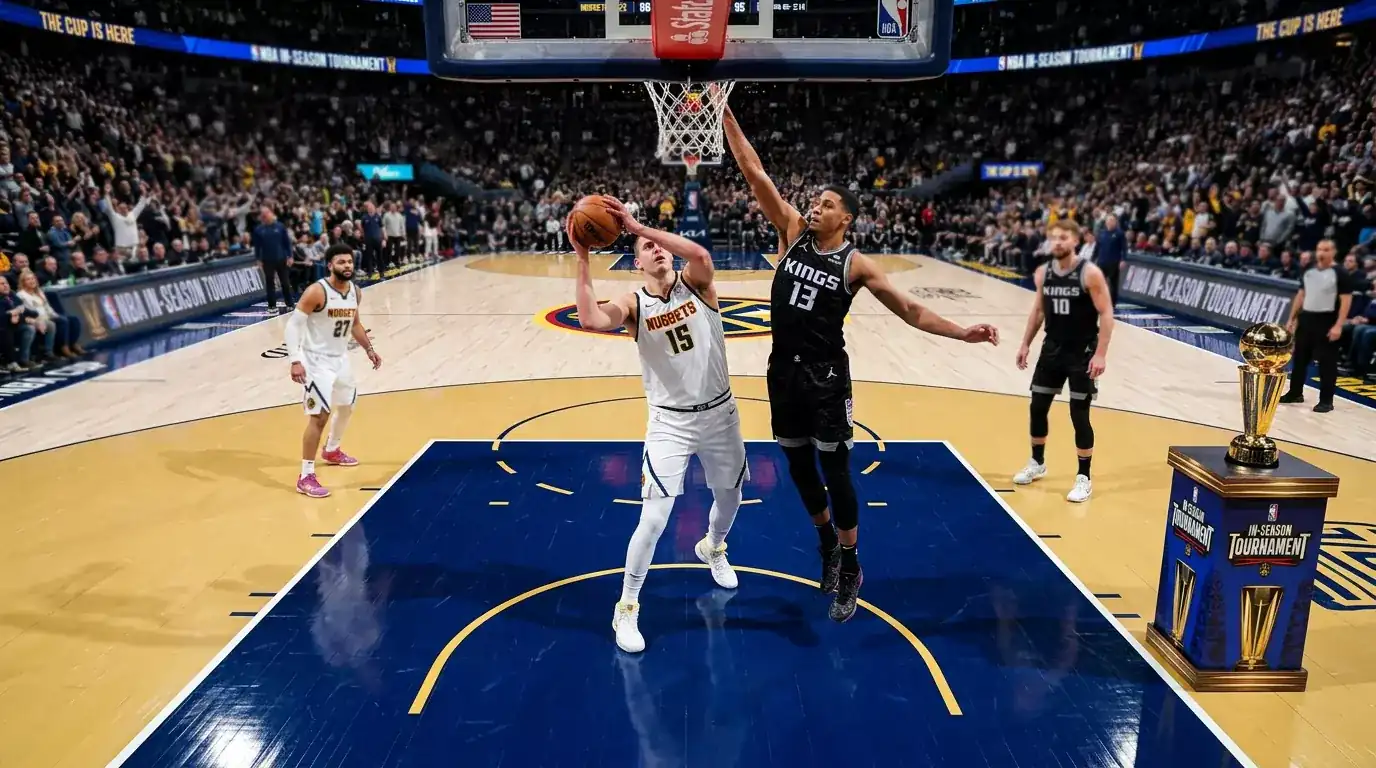
November basketball with playoff intensity. The NBA In-Season Tournament transformed random early-season matchups into high-stakes games with actual trophies and prize money. Players who would normally coast through a Tuesday night suddenly competed with postseason energy. For bettors, this format change created a new competitive environment that the market is still learning to price.
The In-Season Tournament, officially called the NBA Cup, adds a knockout competition to the regular season schedule. Group stage games count toward regular season standings while also determining tournament advancement. The knockout rounds feature single-elimination games culminating in a championship. This structure creates betting dynamics unlike anything else on the NBA calendar.
This guide covers In-Season Tournament betting for UK punters. I will explain the format, how tournament incentives affect team behaviour, and where value opportunities emerge. For foundational knowledge on spread betting, that guide provides essential context.
NBA In-Season Tournament Structure and Point Differential
The tournament divides teams into groups based on conference and division structure. Each team plays four group stage games – two home and two away – against group opponents on designated “Tournament Nights” throughout November. These games count toward regular season records but also determine group standings.
Group winners from each conference advance, plus one wild card per conference based on point differential. This creates scenarios where point differential matters, incentivising teams to run up scores rather than rest starters in blowouts. The competitive dynamic differs from typical regular season blow-out management.
Knockout rounds feature single-elimination games at neutral sites, culminating in a championship game. Prize money gives players direct financial incentive beyond pride – winners receive significantly more than losers. This monetary motivation affects effort levels throughout the tournament.
Games count toward regular season standings, meaning teams cannot completely prioritise the tournament over broader season goals. However, the trophy, prize money, and league marketing create genuine motivation that exceeds typical November intensity.
Court designs change for tournament games – each arena features unique court aesthetics that distinguish tournament nights from regular games. While this is purely cosmetic, it reinforces the distinct competitive environment that affects how players approach these games.
How Tournament Stakes Affect Betting
Intensity levels spike compared to equivalent regular season matchups. Players compete harder when trophies and money are on the line. This heightened effort affects game flow in ways that typical November games do not reflect. Spreads based on normal early-season performance may underestimate the competitiveness of tournament games.
Point differential tiebreakers change team behaviour in blowouts. A team leading by 20 in the fourth quarter might continue pressing rather than resting starters because margin matters for wild card positioning. This affects late-game betting and totals in ways that regular season blowout management does not.
Contenders take tournament games seriously despite regular season standings implications. Teams that might rest stars in regular November games often deploy full rotations for tournament matches. Checking injury reports becomes even more important because healthy stars are likely to play rather than rest.
Underdog value may decrease during tournament games. The heightened intensity benefits favourites who can sustain effort levels better than underdogs. The randomness that typically helps underdogs in low-stakes games diminishes when both teams are fully engaged.
Live betting during tournament games sees sharper market reactions because of the increased stakes. Momentum swings that would develop slowly in regular games get priced quickly as both teams respond intensely. This faster market adjustment reduces some live betting edges.
Tournament-Specific Betting Angles
Futures on tournament winner become available before the competition begins. These markets offer longer odds than playoff futures because single-elimination tournaments have higher variance. A talented team might be the best in the field but faces genuine upset risk in any single game.
Group stage scheduling creates informational edges. Teams playing their fourth group game while others have played two or three have different incentive structures. A team already eliminated from group contention might rest players despite games counting for regular season. A team needing a win to advance will deploy maximum effort.
Point differential situations in final group games produce specific betting opportunities. A team needing to win by ten to claim a wild card spot will push pace and maintain intensity deep into blowouts. Identifying these situational incentives before the market fully prices them creates value.
Knockout round venue neutrality changes home-court assumptions. Regular season home-court edge disappears when games move to neutral sites. If you typically build home-court advantage into your analysis, remove that factor for knockout round projections.
The championship game draws maximum effort from both participants. Unlike regular season games where one team might be less motivated, the championship features two teams who battled through elimination rounds to reach the final. Price in maximum competitive intensity for the title game.
UK Timing and Tournament Coverage
In-Season Tournament games follow standard NBA scheduling, meaning UK bettors face typical late-night viewing times. Tournament nights in November feature multiple games on the same evening, creating a compressed viewing and betting schedule. Group stage games typically span a few hours of programming that runs from roughly midnight to 4 AM UK time.
Knockout round games in December occur at premium time slots because the league treats them as showcase events. The championship game receives full league marketing treatment similar to major playoff games. UK bettors should expect the title game around midnight to 3 AM local time, requiring commitment to late viewing for live betting engagement.
The tournament calendar is fixed each year, allowing bettors to plan around key dates. Group stage games occur on specific nights throughout November, identifiable well in advance. Knowing when tournament games fall helps with research scheduling and viewing arrangements – mark your calendar when the NBA releases the season schedule.
Sportsbook coverage of the tournament has expanded since its introduction. UK books now offer tournament winner futures, individual game markets, and sometimes group stage props. The novelty of the format means market efficiency is still developing – early tournament adopters may find edges that disappear as books gain experience pricing these events.
Consider the tournament as a season within a season for tracking purposes. Keep separate records of your tournament betting results from regular season betting. The different dynamics mean your edge might differ between formats. Understanding whether you profit more from tournament games or standard regular season action helps allocate betting attention efficiently.
The tournament’s novelty means historical data is limited. Unlike playoffs or regular season betting with decades of patterns to analyse, the In-Season Tournament provides only a few years of data. Approach tournament betting with appropriate humility about how much edge any analysis can provide given the small sample of past tournaments to study.
What is the NBA In-Season Tournament?
The NBA Cup is a competition held during the regular season featuring group stage games in November followed by knockout rounds in December. Games count toward regular season standings while also determining tournament advancement. Winners receive a trophy and substantial prize money.
Do In-Season Tournament games count for standings?
Yes. Group stage and knockout games count as regular season games for standings purposes. This dual significance affects how teams balance tournament ambitions with broader season goals. Players and teams have incentives beyond just the tournament.
Should betting strategy change for tournament games?
Yes. Heightened intensity affects game flow, point differential incentives change late-game behaviour, and single-elimination knockout rounds increase variance. Tournament-specific incentives create dynamics that differ from standard regular season betting.
Created by the ”how to bet Basketball” editorial team.