NBA Trade Deadline Betting: Capitalizing on Roster Adjustments
 Available in US
February 2024. The Suns acquired three new players at the deadline and played their first game together two days later. The market did not know how to price them – the line seemed almost random. Some bettors avoided the chaos. I saw opportunity. New teammates need time to develop chemistry, and betting against immediate cohesion proved profitable through that adjustment window.
The NBA trade deadline creates a uniquely volatile betting environment. Rosters transform overnight. Players who practised together for months suddenly face new systems, new teammates, and new expectations. The market struggles to price teams in flux because historical data becomes immediately outdated. For attentive bettors, this information asymmetry creates edges.
This guide covers trade deadline betting strategy for UK punters. I will explain how to monitor deadline activity, how roster changes affect team performance, and how to find value in the uncertain weeks following major trades. For context on how spreads work generally, that guide provides foundational knowledge.
Tracking NBA Trade Deadline Roster Moves
The trade deadline falls in early February, roughly two-thirds through the regular season. Rumours intensify in the weeks beforehand as reporters break stories about teams exploring deals. These rumours affect player motivation – a star hearing his name in trade talks might be distracted, while a player seeking a new contract might raise his level to showcase for potential suitors.
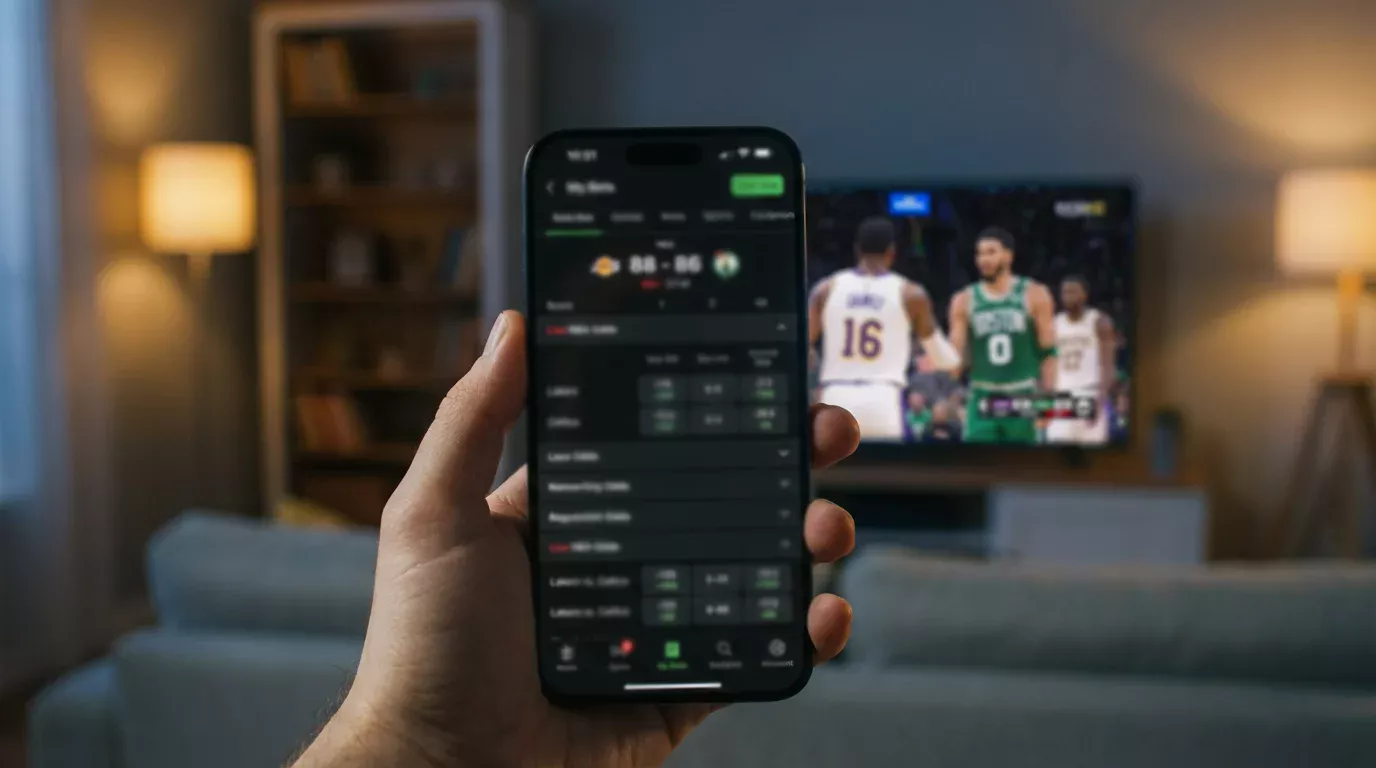
Twitter breaks trades faster than any other source. Following Adrian Wojnarowski and Shams Charania provides real-time notifications of roster moves. The minutes between a trade announcement and sportsbook line adjustments represent the purest information edge available. If you see a trade before books react, you can capture value that disappears within moments.
Buyout market activity extends deadline impact beyond the actual deadline date. Players waived by their deadline-acquiring teams become free agents who can sign with any team. Contenders adding buyout veterans see roster improvements that the original deadline deals did not capture. Monitor buyout signings through late February.
Some trades involve draft picks or future considerations rather than immediate roster changes. These trades affect franchise direction but not current season betting. Distinguish between trades that change tonight’s lineup and trades that reshape future seasons. Only the former create immediate betting implications.
Practice report tracking reveals how quickly new teammates integrate. A player who practises twice before his first game with a new team will not understand the system fully. Beat reporters covering each team tweet practice participation and coach comments that indicate readiness. These soft signals help project debut performance.
How Roster Changes Affect Performance
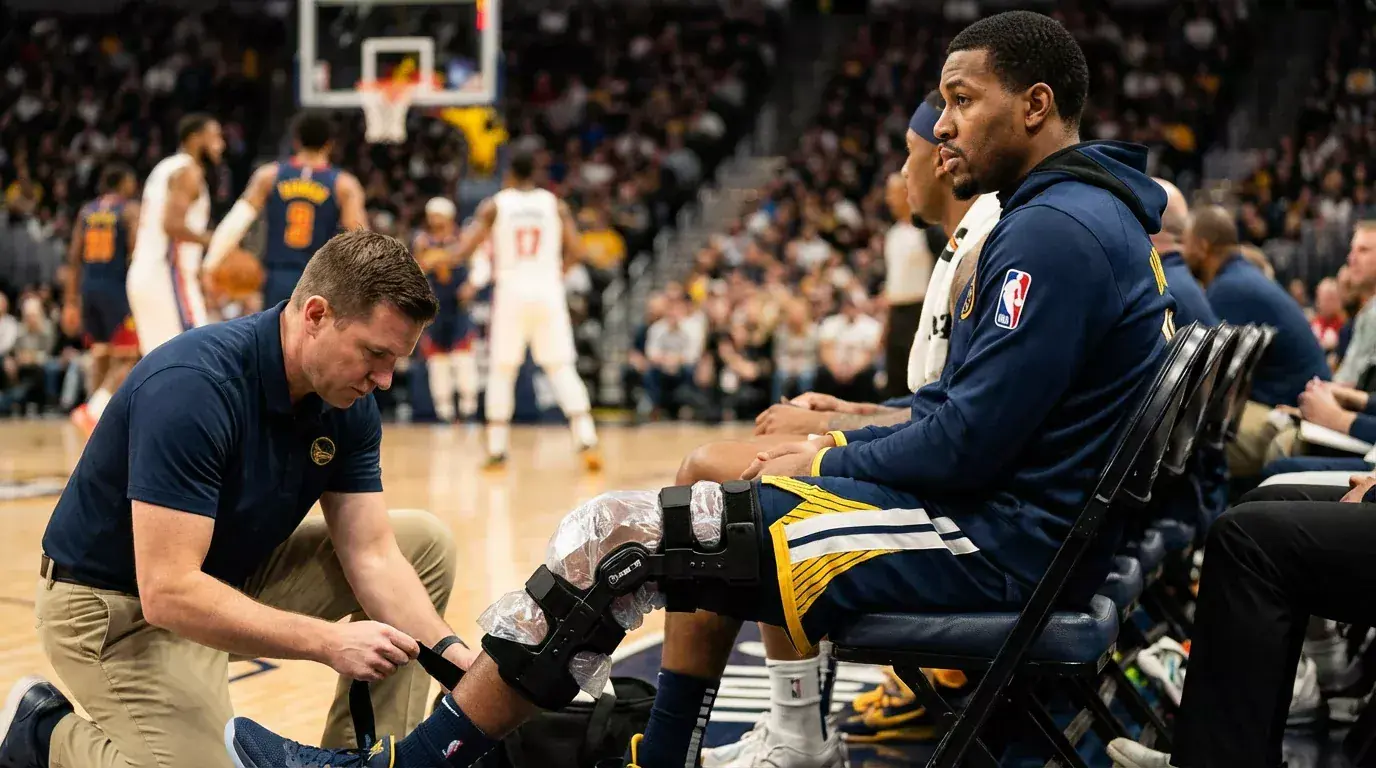
New players typically underperform in their first 5-10 games with a new team. They do not know the playbook, have not developed chemistry with teammates, and must learn new defensive coverages on the fly. This adjustment period creates consistent edges by betting against immediate production from acquired players.
Teams losing players sometimes improve immediately. A team trading away a ball-dominant star who suppressed teammate development might see those remaining players flourish with increased touches. The market often assumes subtraction equals decline, but basketball addition by subtraction is a real phenomenon.
Chemistry disruption affects even players who were not traded. A team that traded two starters must rebuild relationships, timing, and habits. The returners are adapting alongside the newcomers. The entire team’s performance may dip while these adjustments happen, not just the new players’ individual production.
System complexity determines adjustment speed. Teams with complicated offensive or defensive schemes take longer to integrate new players. Teams with simple, talent-based systems see faster integration because there is less to learn. Coach reputation for system complexity provides a proxy for expected adjustment timeline.
Motivation factors cut both ways post-deadline. Players traded to contenders may be energised by playoff opportunities. Players traded to rebuilding teams may feel discarded and play without passion. Assess destination context when projecting how trade psychology affects individual and team performance.
Finding Post-Trade Value
Fade teams immediately after acquiring multiple new players. The more pieces changing, the longer the integration takes. A team that added one rotation player faces minimal disruption. A team that overhauled their starting lineup needs weeks to develop cohesion. Scale your fade intensity to the magnitude of roster changes.
Back teams that sold players but retained their core. These teams often rally in the short term as remaining players prove they deserve the organisation’s faith. The “prove it” games immediately after a teammate leaves sometimes produce surprisingly strong performances that the market underestimates.
Futures markets overreact to deadline acquisitions. A contender that adds a star might see their championship odds shorten dramatically, pricing in the improvement immediately rather than accounting for integration time. Betting against these improved contenders in the weeks following big additions captures the gap between market optimism and short-term reality.
Player props on traded players offer specific value. The market may not know how minutes will be distributed on a new team, creating uncertainty in prop lines. If you project a player’s role accurately while the market remains unsure, props on traded players represent targeted opportunities.
Track team performance trends across the 15 games following deadline moves. Some teams integrate quickly, others struggle for extended periods. Building a database of post-deadline performance helps calibrate how long to fade teams in future seasons. Historical patterns reveal which organisations handle mid-season changes effectively.
Monitor buyout market signings that extend deadline impact. Contenders adding veteran free agents through buyouts continue changing rosters into late February and early March. Each addition requires integration time, extending the period of post-deadline volatility. Track buyout signings as diligently as you track deadline trades themselves.
Consider how deadline trades affect opponent preparation. A team that just acquired new players faces opponents who have not yet seen those players in their new context. Scouting reports become outdated, creating short-term uncertainty that cuts both ways. The acquiring team struggles to integrate while opponents struggle to gameplan against unfamiliar combinations.
Use deadline activity to reassess futures positions. A team that made aggressive moves has signalled championship intent worth factoring into playoff projections. A team that sold assets has signalled rebuilding mode that affects how they will play remaining games. Deadline behaviour reveals organisational priorities that inform betting strategy for the rest of the season.
Be patient with post-deadline analysis. The temptation to bet immediately on newly configured teams is strong, but waiting a few games provides actual data to replace speculation. Unless you have genuine informational edge about how a trade will affect performance, letting others absorb the early variance while you gather data represents disciplined betting.
When is the NBA trade deadline?
The NBA trade deadline falls in early February, typically around the second Thursday of the month. Teams must complete trades by 3 PM Eastern (8 PM UK time) on deadline day. Rumours and deals intensify in the week preceding the deadline.
How do trades affect NBA betting?
Trades create immediate uncertainty that the market struggles to price accurately. New players need adjustment time, team chemistry is disrupted, and historical performance data becomes less relevant. This volatility creates betting opportunities for attentive bettors.
Should I fade teams after big trades?
Generally yes, at least for the first 5-10 games after significant roster changes. New players need time to learn systems and develop chemistry. The market often assumes immediate improvement that takes weeks to materialise in reality.
Prepared by the how to bet Basketball editorial staff.