NBA Playoff Betting Odds: Postseason Series Matchups
 Available in US
Regular season profits mean nothing if you give them back in April. I learned that the hard way during my second year of serious basketball betting, when approaches that worked beautifully across 82 games fell apart completely once the playoffs began. The intensity changes. The preparation changes. The value spots change. Playoff basketball is a different sport from regular season basketball, and your betting strategy needs to evolve accordingly.
The 2021-22 NBA playoffs saw a 10% surge in League Pass subscriptions from the start of the postseason alone, demonstrating how British attention spikes when the games matter most. That heightened interest creates both opportunity and challenge for UK bettors. More eyes mean more recreational money flowing into markets, but it also means sharper line-setting from books anticipating increased handle. Navigating postseason betting requires understanding how the playoffs differ from everything that came before.
This guide covers playoff-specific strategies for UK punters. From adjusting your regular season models to understanding series dynamics, from exploiting slow coaching adjustments to recognising when value disappears, I will walk you through the postseason landscape. If you are new to basketball betting altogether, start there before tackling playoff nuances.
NBA Regular Season vs Playoff Defensive Intensity
The first adjustment is understanding that regular season statistics lie. A team’s offensive efficiency across 82 games reflects many contexts – back-to-backs against tired opponents, games where starters sat the fourth quarter, stretches where motivation varied wildly. Playoff basketball strips away the noise. Every possession matters. Rotations tighten. Stars play 40-plus minutes.
Pace slows dramatically in the playoffs. Teams play more half-court basketball because transition opportunities decrease against playoff-level defence. That slower pace directly impacts totals betting – the same teams that averaged 115 points per game in the regular season might struggle to crack 105 in a grinding playoff series. Adjusting your totals expectations downward is essential.
Three-point shooting variance amplifies in the playoffs. Teams scout each other extensively, denying rhythm threes and contesting looks that went uncontested in February. Shooters who seemed automatic during the regular season go cold against playoff defence. Conversely, a role player catching fire from deep can swing a series unexpectedly. This variance makes totals and spreads harder to predict game-to-game.
Home-court advantage intensifies. The crowd energy in playoff games exceeds anything from the regular season. Hostile environments affect young players, referees give subtle edges to home teams, and the familiarity of one’s own arena provides genuine competitive advantages. Road underdogs face steeper climbs in the playoffs than regular season records might suggest.
Rest and recovery matter differently. Regular season teams might play four games in five nights. Playoff teams play every other day at most, with potential gaps between series. Fresh legs benefit teams with older rosters who struggled through regular season back-to-backs. The conditioning advantages that younger teams held in March disappear when everyone is rested.
Series Betting: Winner and Exact Score
Series winner markets offer an alternative to game-by-game betting that some bettors prefer. Rather than predicting individual game outcomes, you are projecting who advances through a best-of-seven series. This shifts the analysis from “who wins tonight” to “who is the better team over multiple games.”
Variance decreases in series betting compared to single games. A team might lose game one on a bad shooting night but win the series 4-2 as talent ultimately prevails. If your analysis identifies the better team correctly, series betting lets that edge manifest without requiring you to predict individual game swings.
Exact series score markets offer higher odds for more precise predictions. Betting the Celtics to beat the Heat 4-2 specifically pays more than betting them to win the series at any margin. The additional precision adds risk but also reward. Historical patterns show that 4-2 is the most common series outcome when higher seeds win, while 4-3 occurs more often in competitive matchups between similarly talented teams.
Series pricing incorporates home-court advantage through seeding. The higher seed has four home games versus three for the lower seed, plus hosting games one, two, five, and seven. Game seven being at home matters enormously – historically, home teams win roughly 80% of game sevens. Series prices reflect this structural advantage.
Live series betting allows repositioning after games are played. If your series winner pick falls behind 0-2, you can hedge by backing the opponent at improved odds or double down if you believe in your original analysis. The multi-game nature of series betting creates hedging and adjustment opportunities that single-game betting cannot offer.
Adjusting Your Strategy for Playoffs
Reduce your bet volume in the playoffs. With only 16 teams competing in one or two games per night, there are fewer edges to exploit. Forcing action on limited slates leads to poorly justified bets. Better to pass on marginal spots and wait for genuine conviction plays than to maintain regular season volume artificially.
Weight coaching heavily in playoff analysis. Regular season coaching matters, but playoff coaching matters exponentially more. The same 82-game sample that revealed team tendencies is available to opposing coaches for intensive scouting. Coaches who adjust effectively between games create advantages that statistics cannot capture. Teams with superior coaching staffs overperform their regular season indicators in playoff contexts.
Track how teams respond to playoff pressure historically. Some franchises and stars elevate when stakes increase. Others tighten under pressure, missing free throws, taking poor shots, and making uncharacteristic mistakes. This pressure response is not captured in regular season data but repeats across multiple postseasons for the same players and organisations.
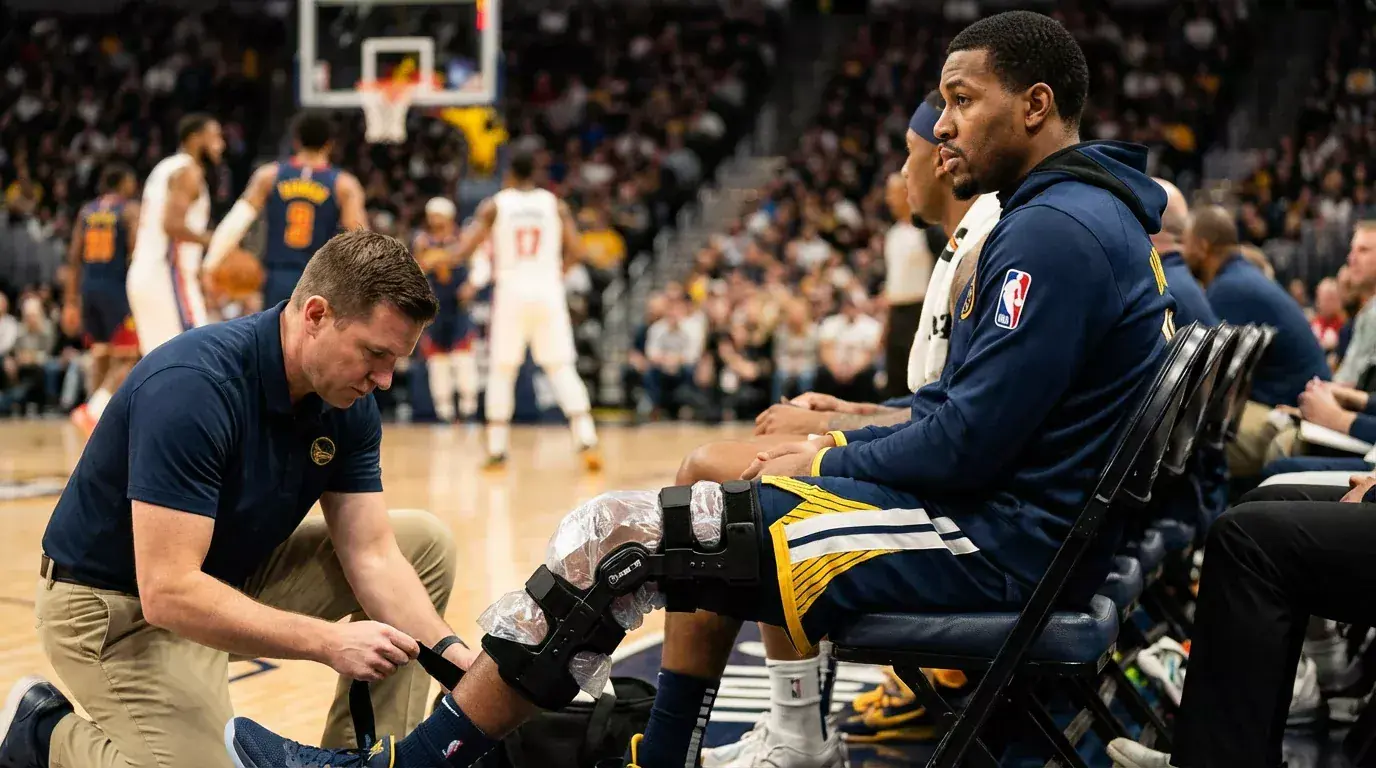
Monitor injury status obsessively. Playoff teams push through injuries that would cause regular season absences. A player listed as questionable might gut through a game seven but be visibly compromised. The difference between 100% LeBron James and 75% LeBron James represents multiple points on a spread, yet the lines sometimes fail to account fully for diminished performance from injured stars.
Anticipate market overreactions after surprising results. When a heavy favourite loses game one at home, their series price often adjusts more than warranted by a single game. Regression specialists look for these overreactions to buy low on teams that remain the better squad despite an unexpected early loss.
Consider how playoff scheduling affects your approach. Unlike the regular season’s daily slate, playoffs feature focused attention on fewer games with more time between matchups. This concentrated attention means lines sharpen faster as more analysis and money flows toward each game. The edges available in regular season may diminish during playoffs when market efficiency increases.
Do NBA playoff spreads shrink?
Yes. Playoff spreads run tighter than regular season spreads because the competition level increases, pace slows, and preparation intensifies. A team that regularly covered ten-point spreads in the regular season might see playoff spreads of five or six points against similar opponents.
When do NBA playoff odds come out?
Playoff odds for series winners emerge shortly after brackets are set. Individual game lines typically release 24-48 hours before tip-off. The delay allows sportsbooks to assess injury status and incorporate any developments between games.
Is home-court advantage stronger in playoffs?
Yes. Playoff crowds generate more intense atmospheres than regular season games. The stakes amplify pressure on road teams. Historical data shows home teams win at higher rates in playoffs compared to regular season, and game sevens at home win roughly 80% of the time.
Written by the editors at how to bet Basketball.