NBA Injury Impact: Roster Adjustments and Betting Line Shifts
 Available in US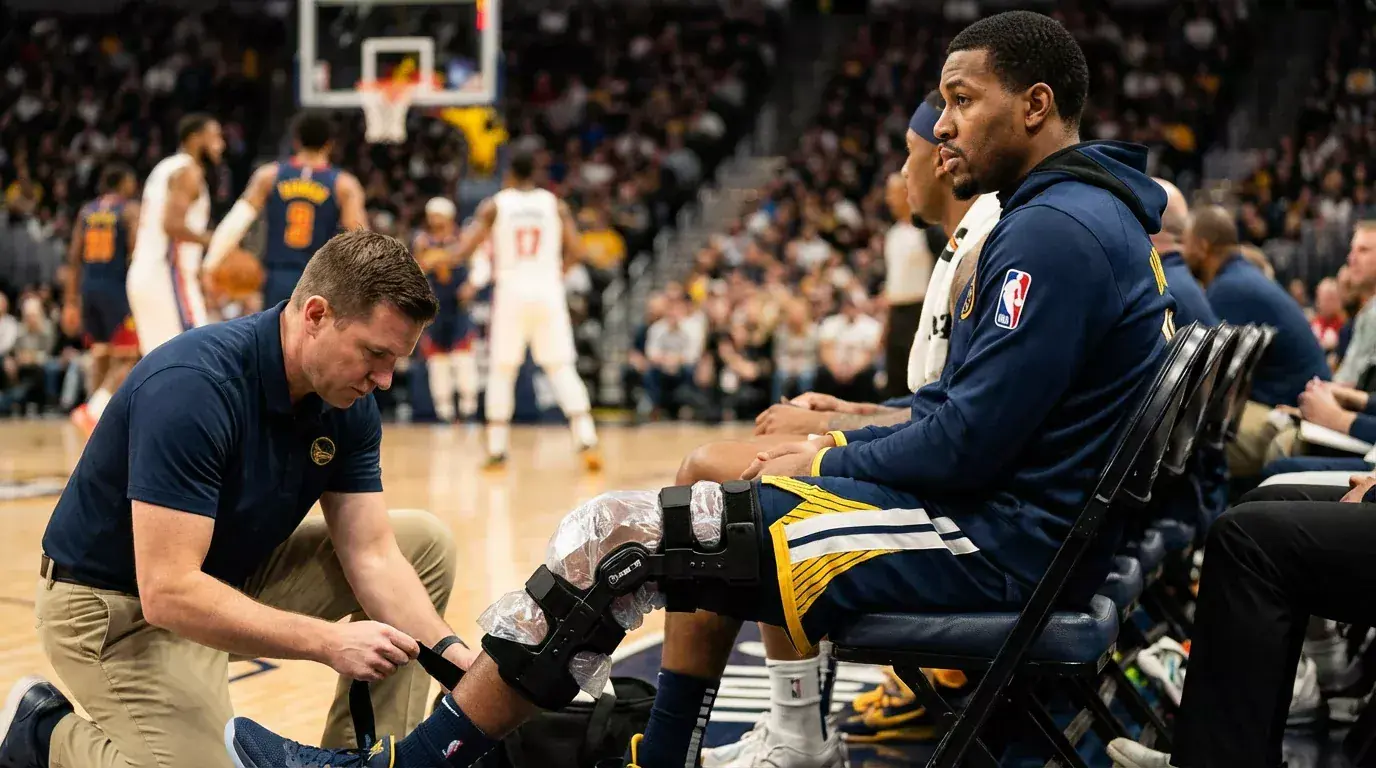
The notification came through at 6:47 PM UK time, barely three hours before tip-off. Giannis Antetokounmpo – out. Within minutes, the Bucks line moved from -7.5 to -2.5. Anyone who had not acted immediately watched the value evaporate. That moment crystallised something I had suspected but never fully appreciated: in NBA betting, injury information is worth more than almost any other edge you can develop.
The NBA’s young fanbase tracks injuries obsessively. Younger viewers engage more intensely with player-centric content, and that translates to betting markets where star player availability dominates line setting. Understanding how injuries move lines, where to find injury reports before the market reacts, and how to evaluate whether moves are appropriate or excessive separates reactive bettors from those who profit from news flow.
This guide covers everything UK bettors need to know about injury impact on NBA betting. I will explain how to track injury reports efficiently, how different injuries affect lines, and how to find value after news breaks. If you want to develop live betting strategies specifically, understanding real-time injury information becomes even more critical.
Extracting Value from NBA Injury Reports and Statuses
The official NBA injury report drops by 5 PM Eastern time – 10 PM in the UK – for games the following day. Teams must disclose player status using standardised language: Out, Doubtful, Questionable, Probable, or Available. The report provides your baseline information, but the smart money moves before official reports because teams leak information through practice reports and beat writer observations.
Twitter remains the fastest source for injury news. Beat reporters covering each team tweet practice observations, injury updates, and lineup confirmations hours before official reports. Following a handful of reliable reporters for teams you bet regularly creates information advantages. A player shown participating in practice suggests he will play; a player absent from practice suggests he might not. These signals appear on social media before they reach sportsbook feeds.
Sportsbooks remove lines when significant injury news is imminent. If you notice a game suddenly unavailable for betting, something is happening – often an injury announcement the books anticipate but have not yet confirmed. When lines reappear, they reflect the new information. Missing that window means betting into updated odds rather than capturing pre-announcement value.
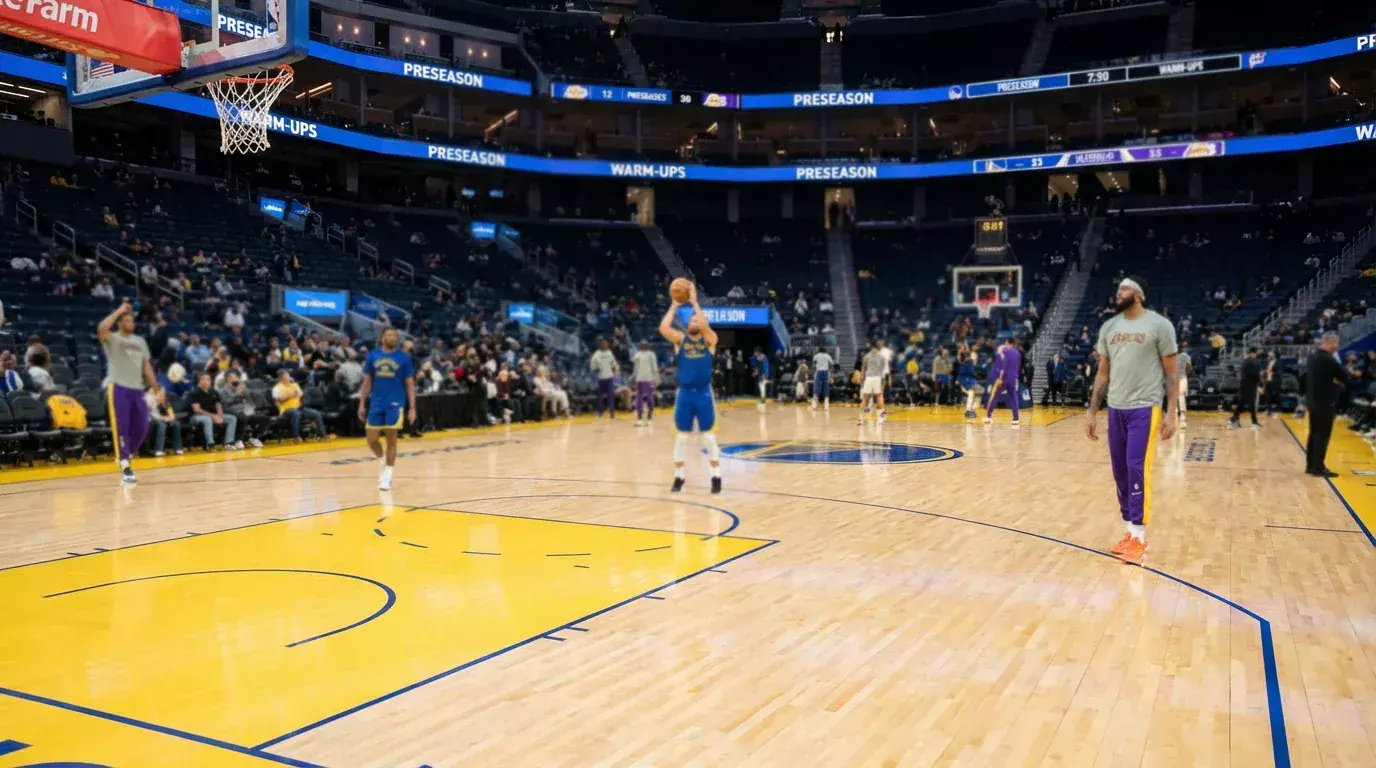
Game-time decisions require patience. A player listed as questionable might appear in warm-ups testing his injury before a final determination. UK bettors watching pre-game coverage from 12:30 AM onwards can sometimes observe warm-up participation before official announcements. Live betting markets remain open until tip-off, allowing you to act on warm-up observations if you are watching closely.
Load management complicates injury tracking because healthy players rest for strategic reasons. These absences are announced late, sometimes only a few hours before tip-off. Teams with older stars on the second night of back-to-backs are particularly prone to rest days. Historical patterns help predict which players might sit – LeBron rarely plays both games of back-to-backs, for example – but confirmations come late enough that lines often adjust after most bettors have already positioned.
How Injuries Move Betting Lines
Not all players affect lines equally. A team’s best player – their “franchise player” – typically moves lines between three and six points when ruled out. Secondary stars move lines one to three points. Role players rarely move lines at all unless multiple absences compound. The market has historical data on how teams perform without specific players and prices accordingly.
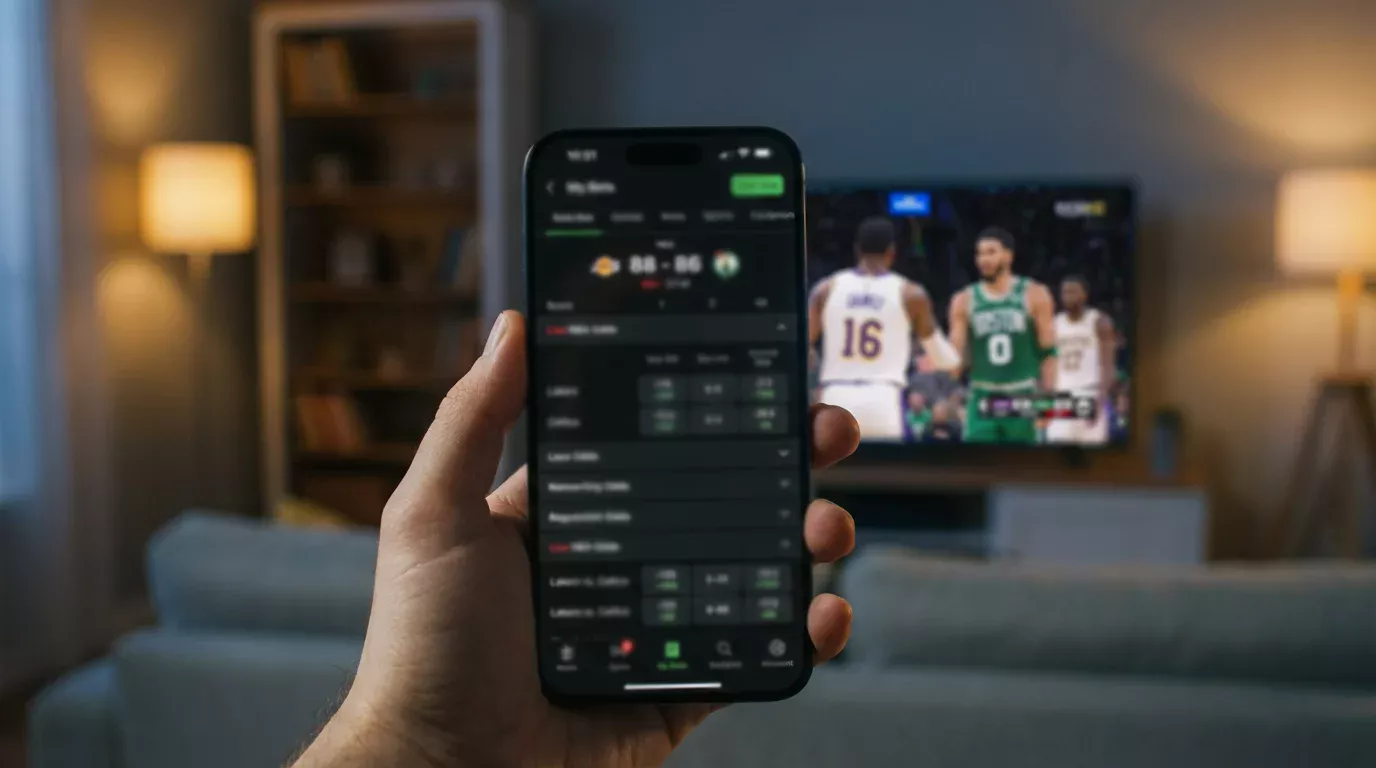
In-play betting constitutes roughly 55% of total sports wagering volume, meaning injury information during games creates immediate opportunities. When a star player goes to the locker room, live lines adjust within seconds. If you are watching the game and see an injury occur, the window to act is measured in moments. By the time ESPN tweets about it, the line has already moved.
The market sometimes overreacts to star absences. Casual bettors hear “LeBron out” and pile onto the opponent, pushing lines beyond what performance data justifies. Teams with strong supporting casts and experienced coaches often perform better without stars than lines suggest. The Lakers without LeBron are not the same as a lottery team – they still have an NBA roster and a playoff-calibre coach.
Conversely, the market sometimes underreacts to multiple injury absences. One player out receives full attention. Two or three players out on the same night creates confusion about how to price the cumulative impact. The interaction effects of multiple absences often exceed simply adding the individual impacts together.
Position matters for impact assessment. Point guard injuries affect offence most directly because playmaking becomes compromised. Wing injuries hurt scoring versatility. Centre injuries damage rebounding and rim protection. The positional depth behind the injured player determines severity – a team with a quality backup centre weathers that absence better than one relying on a third-stringer.
Finding Value After Injury News
Value exists in the gap between market reaction and appropriate adjustment. Your job is identifying whether the line moved too much, not enough, or about right. Historical data helps – if a team is 8-4 ATS without their star, the market may be overcorrecting. If they are 2-10 ATS without him, perhaps it is not moving enough.
Timing determines whether value remains when you arrive. Lines move fastest in the first 30 minutes after news breaks. If you catch the news immediately, you can sometimes bet before the full adjustment. If you arrive an hour later, the sharps have already pushed the line to fair value. Setting up notifications for key reporters gives you that crucial early window.
Backup player quality determines how much injury news should actually matter. Some backups are former starters or rising talents ready to contribute. Others are roster filler who cannot perform at the starting level. Knowing who steps into an injured player’s role tells you whether the initial line move was appropriate.
Recent team performance without the injured player provides the most relevant data. How did they play during his last absence? Has the team’s depth improved since then? Are the remaining players healthy or also nursing issues? Context matters more than simple “Team X is minus Y points without Player Z” analysis.
Props on replacement players can offer value that team totals miss. When a star sits, someone else gets more shots, more touches, more minutes. The player who inherits that usage often exceeds his season averages. Prop lines may not fully reflect expanded roles, creating opportunities on individual player markets even when team lines have adjusted appropriately.
How do injuries affect NBA betting odds?
Star player absences move spreads between three and six points typically. Secondary players move lines one to three points. The exact impact depends on the player’s role, backup quality, and historical team performance without them. Lines adjust within minutes of injury announcements.
Where can I find NBA injury reports?
Official injury reports release at 10 PM UK time for the following day’s games. Beat reporters on Twitter provide earlier information through practice observations. Sportsbook line removals often signal imminent announcements. Pre-game warm-up coverage reveals game-time decisions.
Should I bet before or after injury news?
Betting before news breaks requires prediction skill or insider-level information monitoring. Betting immediately after news captures the gap between initial and fair value. Betting hours later typically faces fully adjusted lines. The fastest bettors capture the most value.
Published by the how to bet Basketball team.