NBA Home Court Advantage: Stadium Adjustments and Point Spreads
 Available in US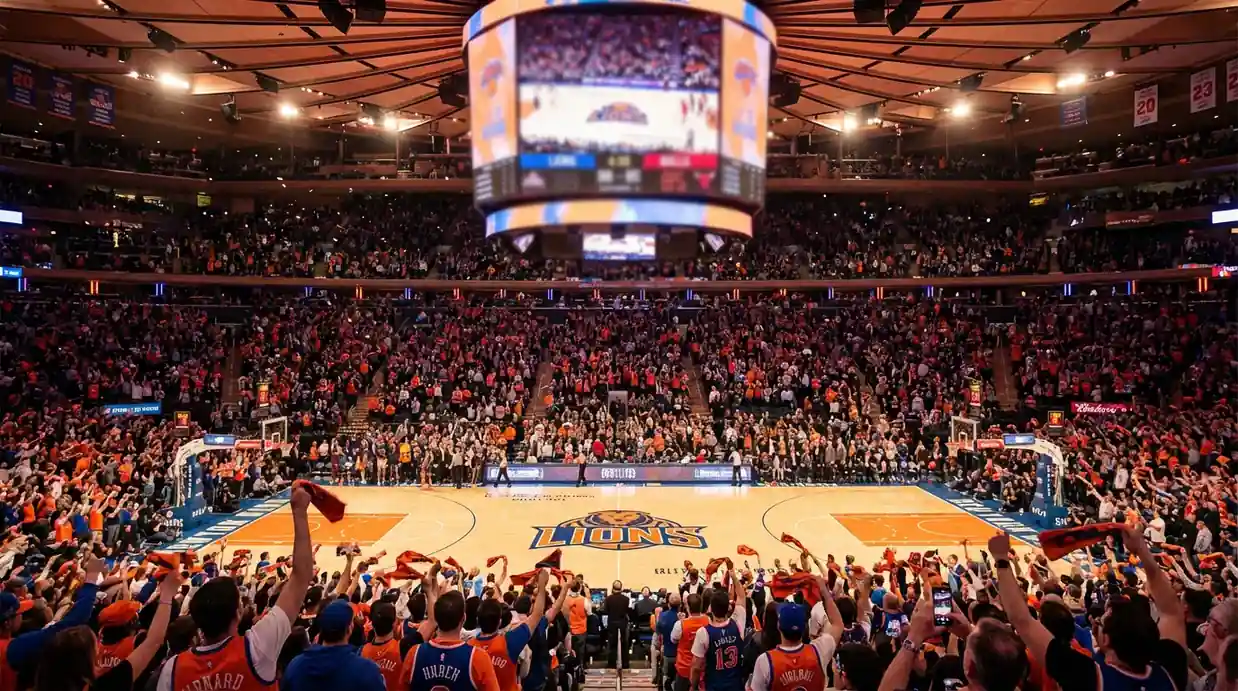
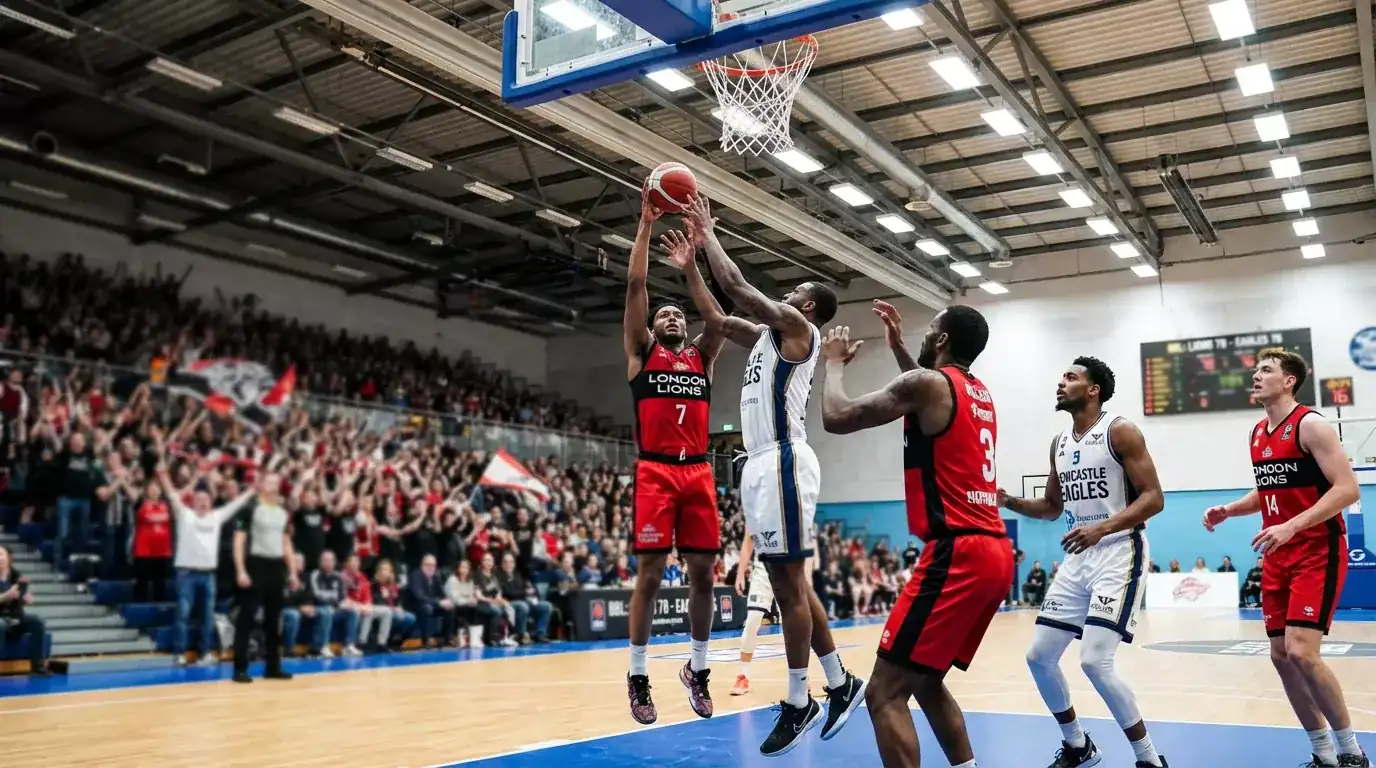
Madison Square Garden at full voice. The Oracle Arena death lineup years when fans knew exactly when to erupt. Miami’s white-hot playoff atmosphere. I have watched hundreds of NBA games from my London flat, and even through a screen, certain arenas project intimidation that others simply cannot match. But here is the question that matters for betting: does home-court advantage actually affect outcomes enough to influence your wagers?
The conventional wisdom says yes – home teams win more often, and lines should reflect that. Opening night of the 2025-26 season drew 5.6 million viewers, the highest since 2010, suggesting more people are watching and potentially more people are betting with home-field assumptions that may or may not hold in modern basketball. The reality of home-court advantage has shifted dramatically over the past decade, and UK bettors who rely on outdated models are pricing incorrectly.
This guide examines home-court advantage data, post-COVID changes that altered the landscape, and arena-specific factors that create genuine edges. If you are working on point spread analysis, understanding home-court’s actual value versus its assumed value can separate winning from losing seasons.
Historical NBA Home Court Advantage Betting Data
Through the 1980s and 1990s, NBA home teams won approximately 65% of regular season games. That figure was consistent enough that bettors could rely on home-court being worth roughly three to four points against the spread. Road wins were genuinely difficult, and home teams protected their courts with intensity that travelling teams could not match.
The advantage began eroding in the 2000s and 2010s. By the 2018-19 season, home winning percentage had dropped to around 57%. Players increasingly lived in other cities during offseasons, reducing home familiarity advantages. Travel became more comfortable with chartered flights and improved amenities. Video scouting eliminated the mystery that visiting teams once faced. Modern players adapted to road environments more readily than previous generations.
The spread market adjusted but perhaps not completely. Bookmakers still build in home-court adjustments of approximately two to three points, depending on the specific matchup and venue. Whether that adjustment is accurate or reflects historical inertia that no longer matches reality is a question worth investigating in your own analysis.
Certain teams consistently overperform home-court expectations while others underperform. Teams with strong local fanbases – the Jazz in Salt Lake City, the Nuggets in Denver, the Warriors during their championship runs – convert home energy into actual performance. Teams in markets with transient populations or corporate-heavy crowds – looking at you, Los Angeles – sometimes lack the hostile environment that advantages home teams.
ATS performance at home does not mirror straight-up performance. A team might win 70% of home games but cover only 48% of home spreads because bookmakers have priced that home dominance accurately. The edge for bettors lies in identifying where spreads misprice home-court, not simply backing home teams because they win more often.
Post-COVID Changes to Home Advantage
The 2020 bubble season eliminated home-court entirely. Every game played at neutral sites in Orlando. The data from that strange season revealed something fascinating: without crowds, without travel, without familiar surroundings, the better team simply won more consistently. Seeding and point differential mattered more than ever because the variables that typically favoured home teams had vanished.
When crowds returned in 2021, home-court advantage returned but not to pre-pandemic levels. The 2021-22 and 2022-23 seasons showed home winning percentages hovering around 54-55%, meaningfully below historical norms. Something structural had changed – whether player adaptation, changed fan behaviour, or revised coaching approaches, the home edge had shrunk.
Some analysts argue the change is permanent. Modern players grew up with social media exposure to all 30 arenas. They have seen hostile environments through screens thousands of times before experiencing them in person. The mystique of venues like Boston Garden or the Staples Center cannot intimidate players who have mentally rehearsed playing there since childhood.
Others believe the reduced advantage reflects pandemic-era attendance caps that took time to fully lift, combined with some fans never returning to in-person attendance. As arenas return to full capacity and waiting lists develop for premier matchups, the acoustic intimidation of packed houses might restore some historical advantage.
For betting purposes, the safest assumption is that home-court advantage today is worth less than historical models suggest. If your system assumes three points of home-court value, consider testing whether two points or even 1.5 points produces better results. The data supports smaller adjustments than most bettors use.
Arena-Specific Factors
Denver’s altitude creates measurable physiological effects. The mile-high air contains roughly 17% less oxygen than sea level. Visiting teams unused to elevation fatigue faster, particularly in the fourth quarter when conditioning matters most. The Nuggets consistently outperform home-court expectations, and altitude is the primary explanation. Their home winning percentage exceeds league average by roughly 5-7% historically.
Arena acoustics affect how loud a crowd sounds. Older buildings designed before noise control became an engineering priority can reach deafening levels. Newer arenas often have acoustic dampening that reduces the wall of sound. The Warriors’ old Oracle Arena was legendarily loud; their new Chase Center, while beautiful, does not generate the same acoustic intensity.
Fan demographics matter for atmosphere creation. College towns and cities with single major sports franchises generate more passionate crowds than markets split among multiple teams. Small market teams with devoted fanbases often generate hostile environments that larger market teams with casual spectators cannot match.
Referee influence at home venues is controversial but worth noting. Studies have shown referees call marginally more fouls against visiting teams, potentially influenced by crowd reactions. The effect is small – perhaps one additional foul per game – but in close games, free throw differentials matter. Whether this reflects actual referee bias or home teams simply playing smarter defence at home remains debated.
Travel to specific cities creates unique burdens. Games in Miami or Los Angeles invite nightlife distractions. Games in cold-weather cities during winter require adaptation. East Coast games for West Coast teams tip off before visiting players’ natural body clocks have fully activated. These city-specific factors layer onto general home-court considerations.
Build arena-specific adjustment factors rather than applying a uniform home-court number. Denver might deserve three points of adjustment while a neutral-atmosphere arena deserves only one. Tracking team performance at specific venues over multiple seasons reveals which buildings genuinely intimidate and which merely offer logistical convenience.
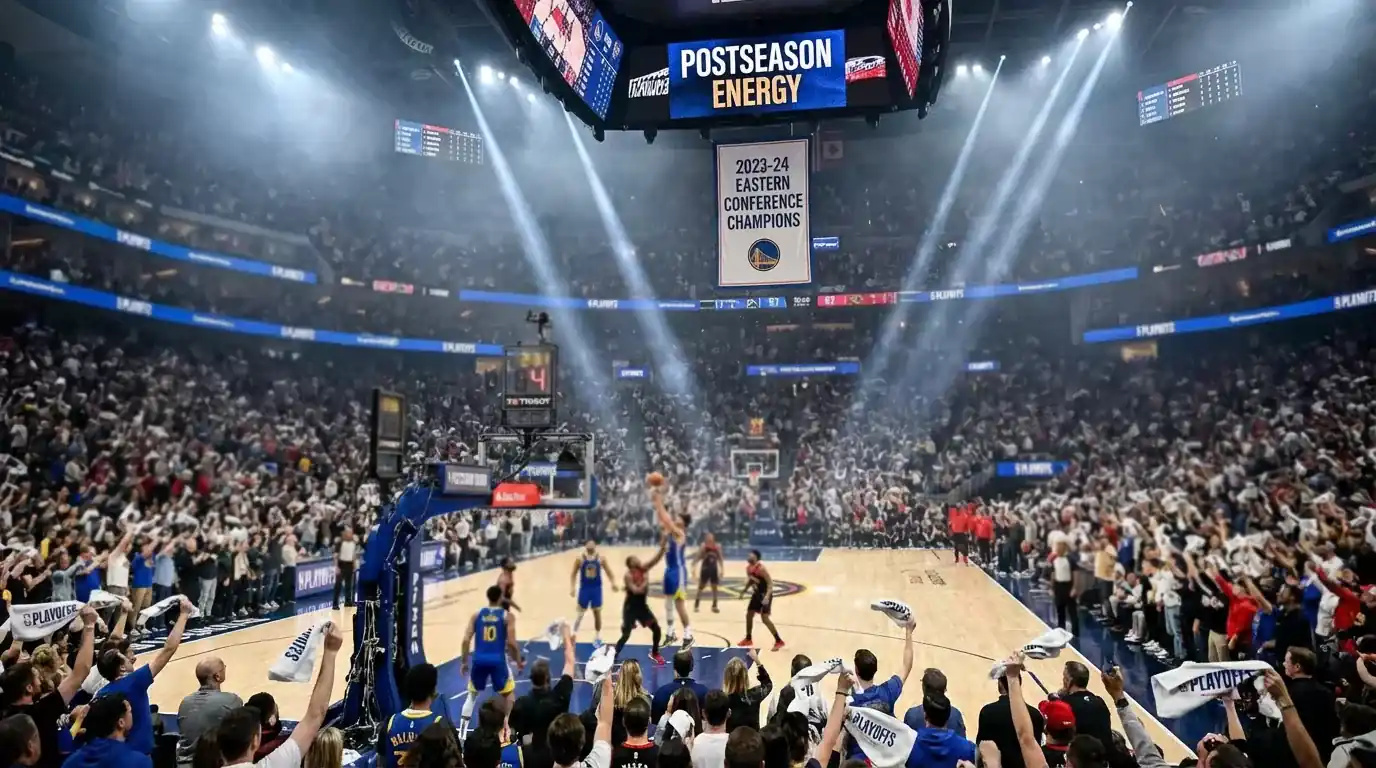
Consider how playoffs change home-court dynamics. Postseason crowds bring intensity that regular season games lack. Venues that feel average in November become deafening in May. If you build home-court models from regular season data, test whether playoff adjustments should differ. The stakes and atmosphere of elimination games often amplify whatever home advantage exists.
How much is home court worth in NBA betting?
Modern home-court advantage is worth approximately 1.5 to 2.5 points against the spread, down from the historical three to four points. The exact value varies by venue, with Denver and certain other arenas commanding higher adjustments than average.
Which NBA arenas are hardest to win at?
Denver consistently ranks among the toughest venues due to altitude effects. Salt Lake City, Boston, and Philadelphia generate hostile crowds that challenge visitors. The Warriors during their championship years created extremely difficult home environments.
Did home court advantage change after COVID?
Yes. Home winning percentage dropped from pre-pandemic norms of 57-58% to approximately 54-55% post-COVID. The bubble season demonstrated that without crowds and travel, home advantages largely disappeared. The effect has not fully returned to previous levels.
Written by the editors at how to bet Basketball.